We build systems that sense people, privately.
The Systems, Networking, and Energy Efficiency (Synergy) Lab in the School of Computer Science at Carnegie Mellon University, led by Prof. Yuvraj Agarwal. We build and deploy real systems at the intersection of hardware, software, and people.
Research areas
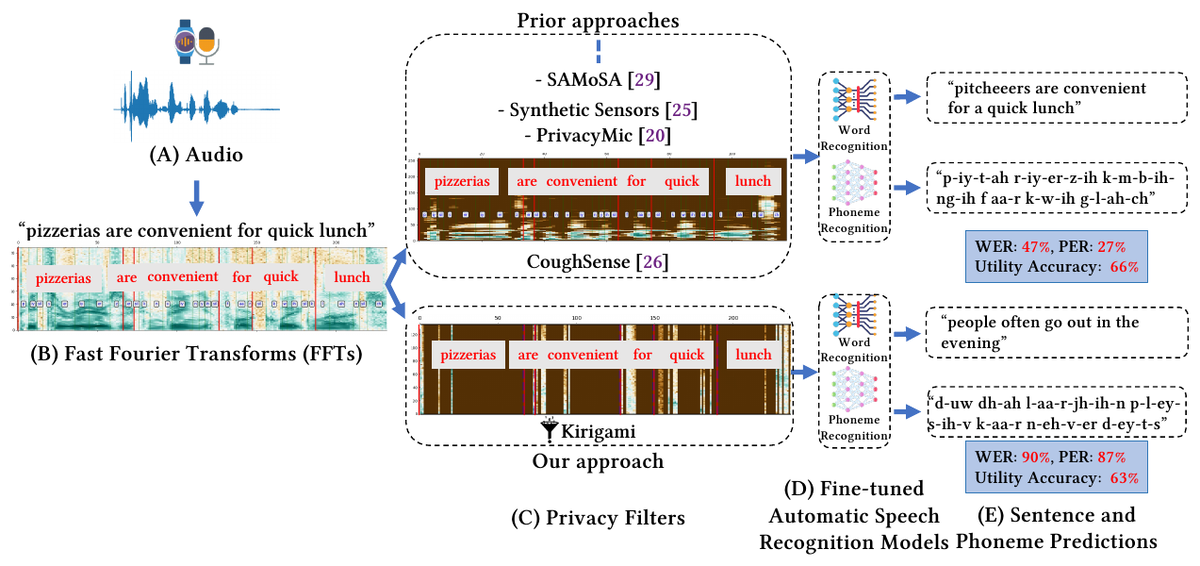
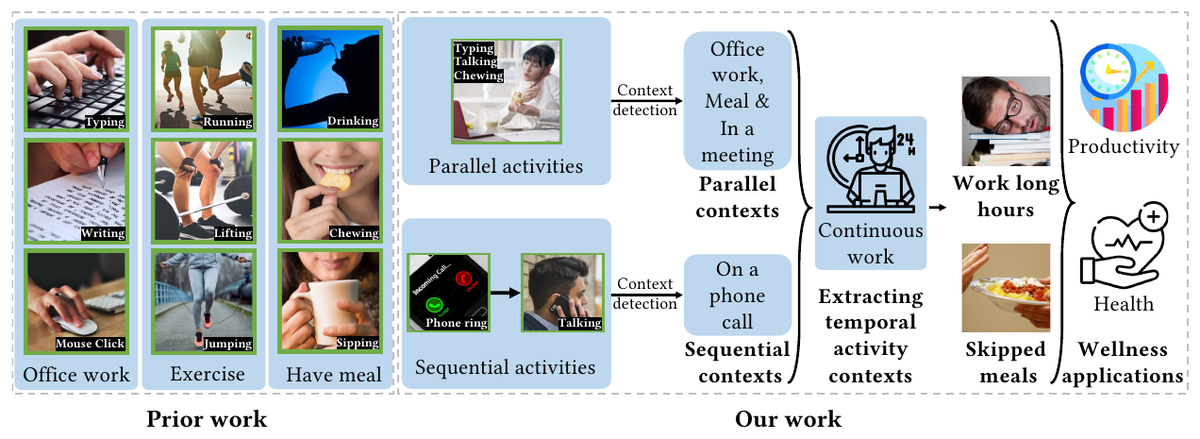
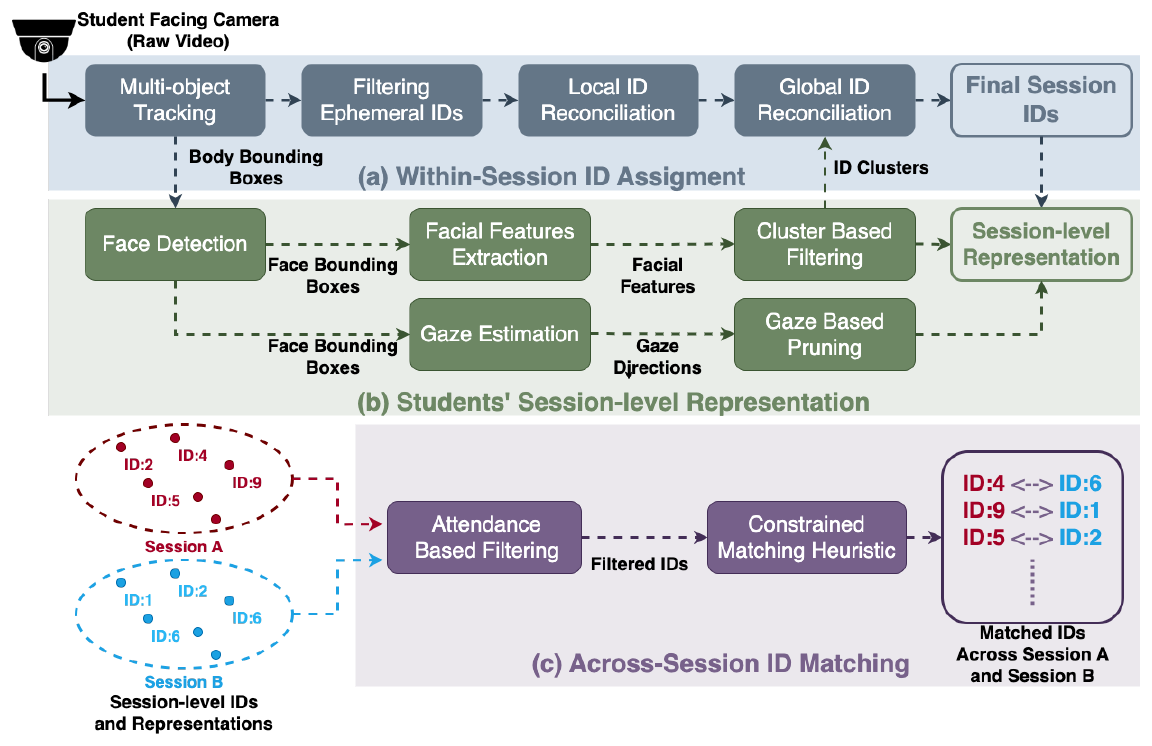
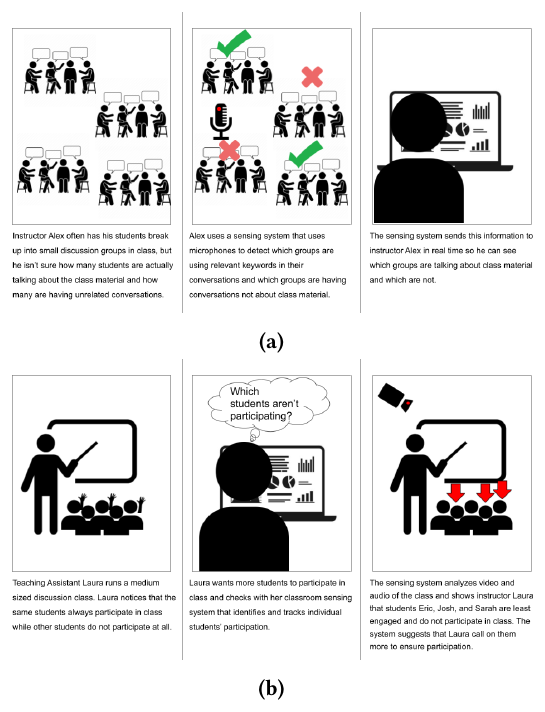
All research →Systems that sense and understand people's activities and context in everyday environments, from the body to the built world.
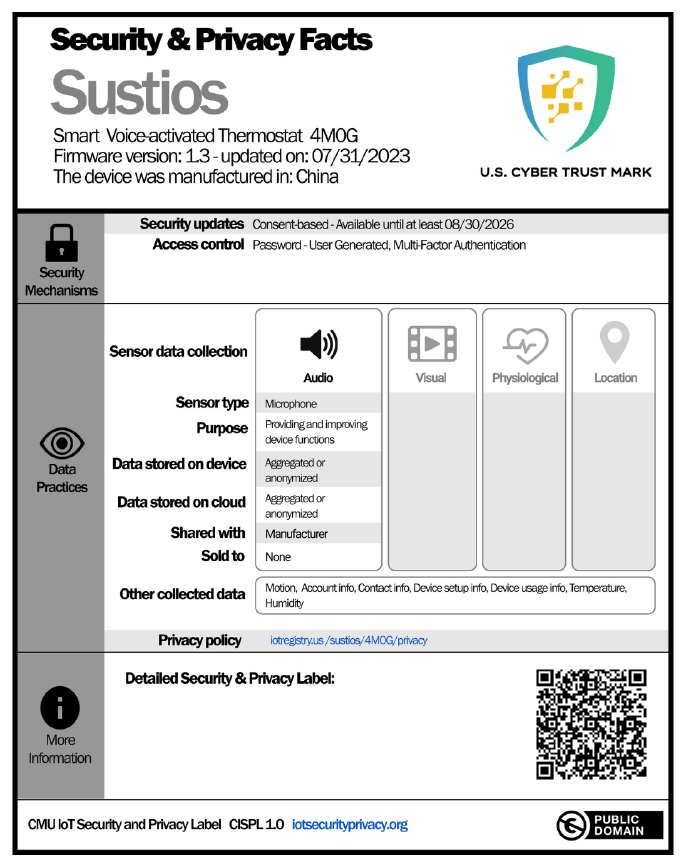
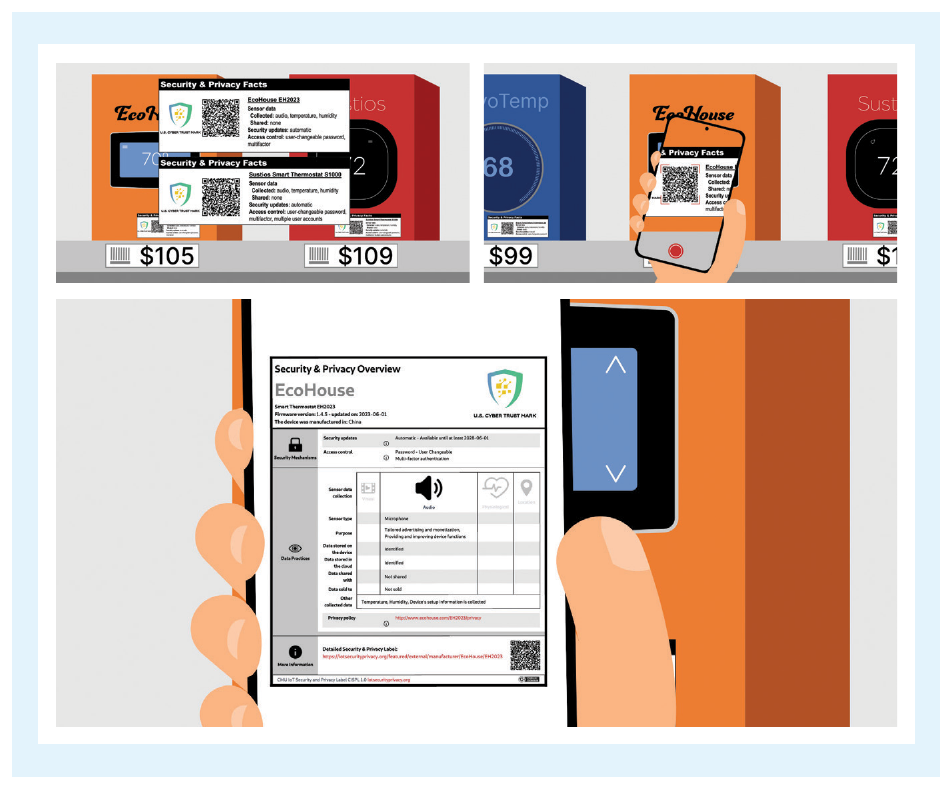
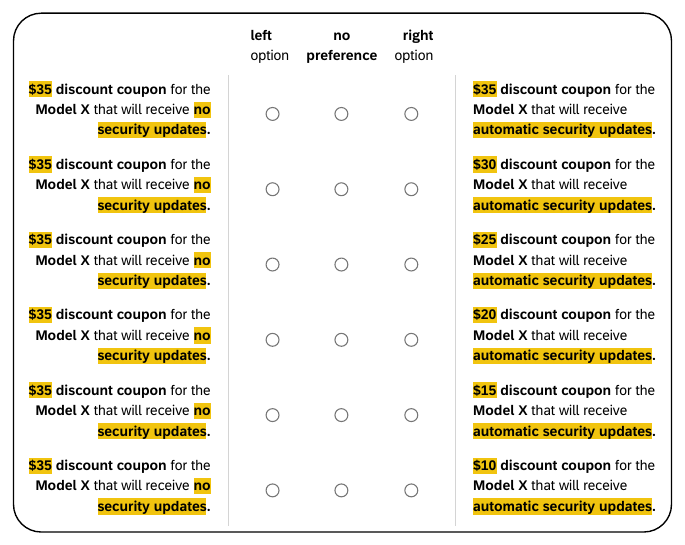
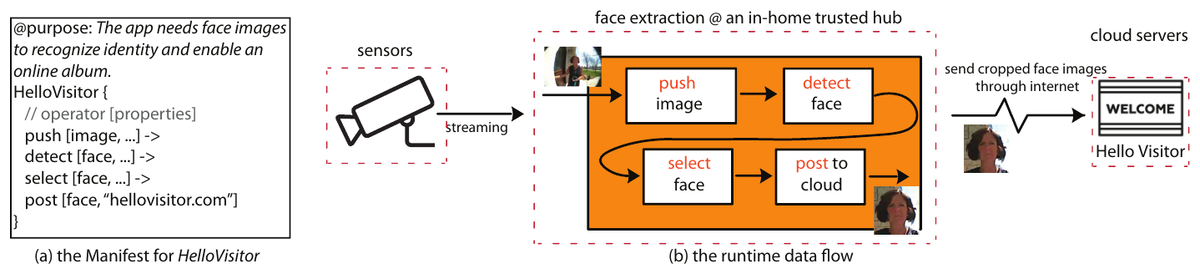
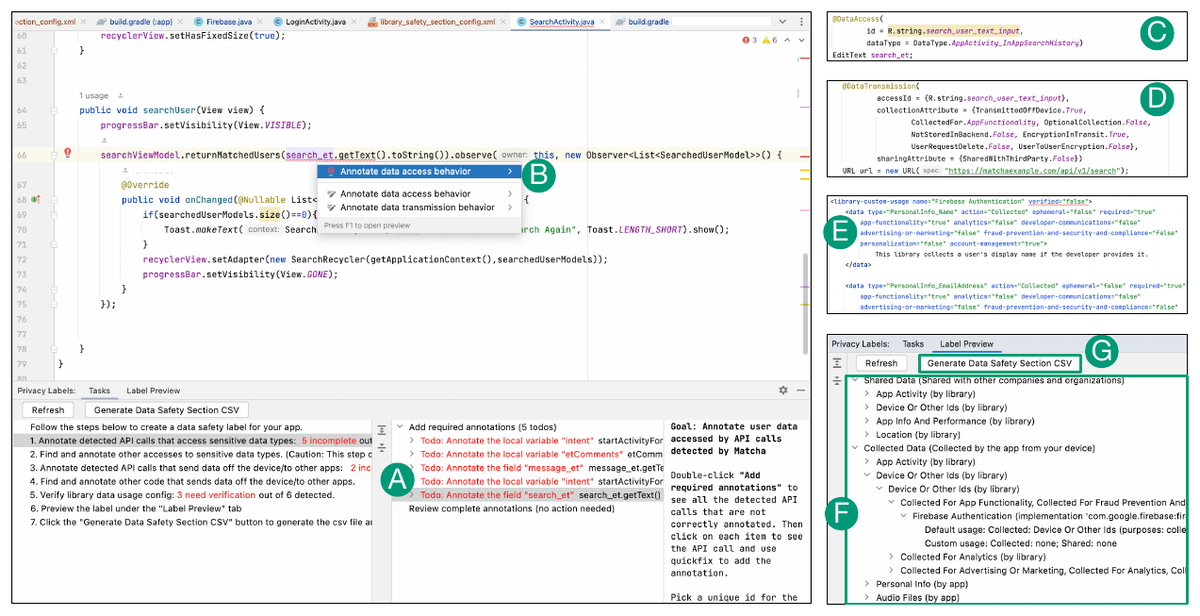
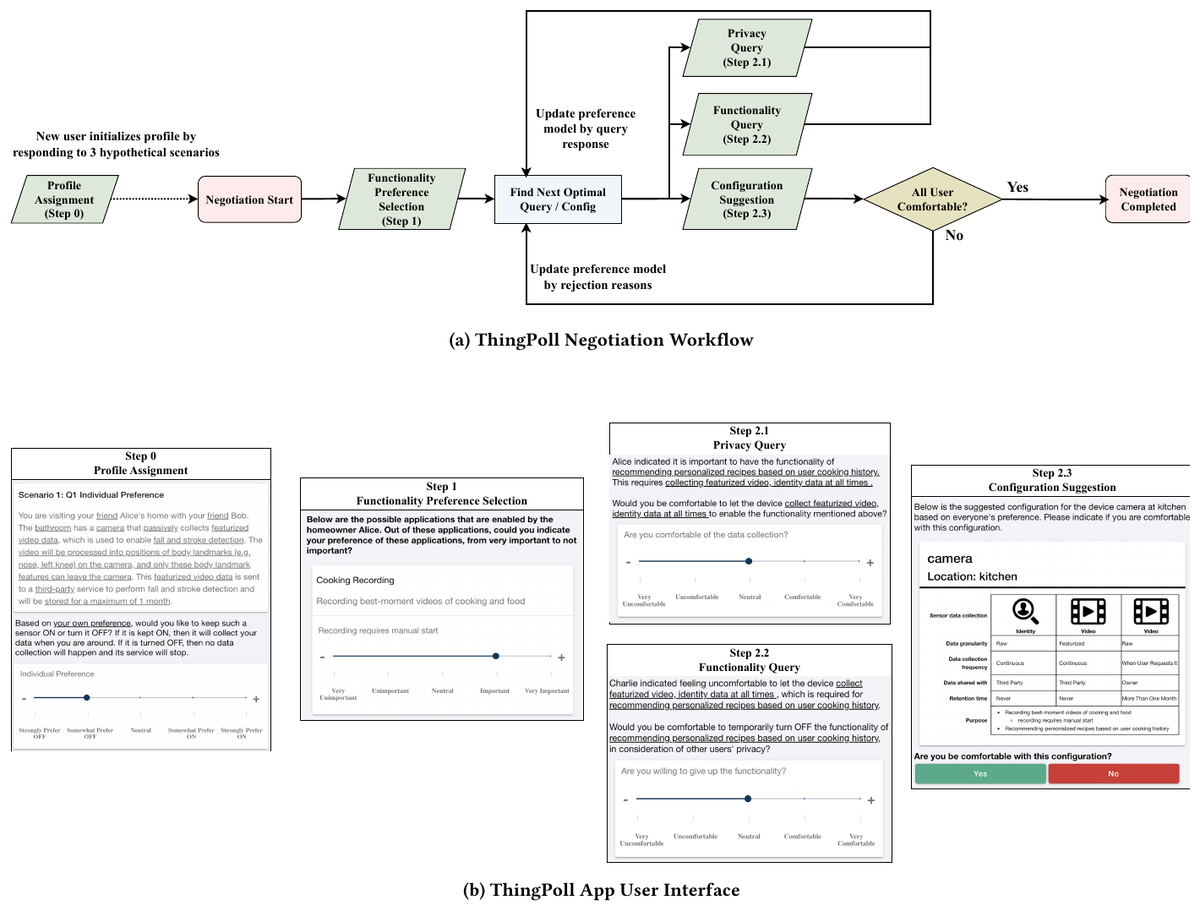
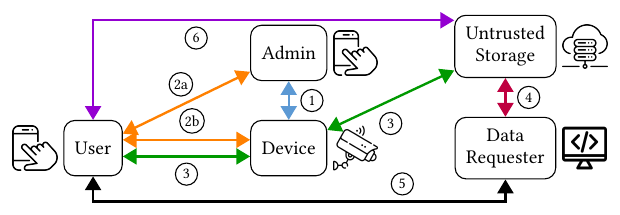
Helping people understand and control how connected devices, apps, and services collect and use their data.
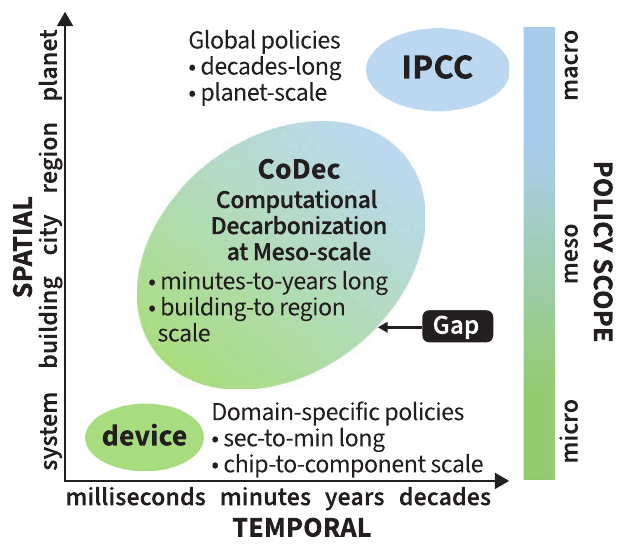
Computing methods to measure and reduce carbon emissions, and to make energy systems more efficient and sustainable.
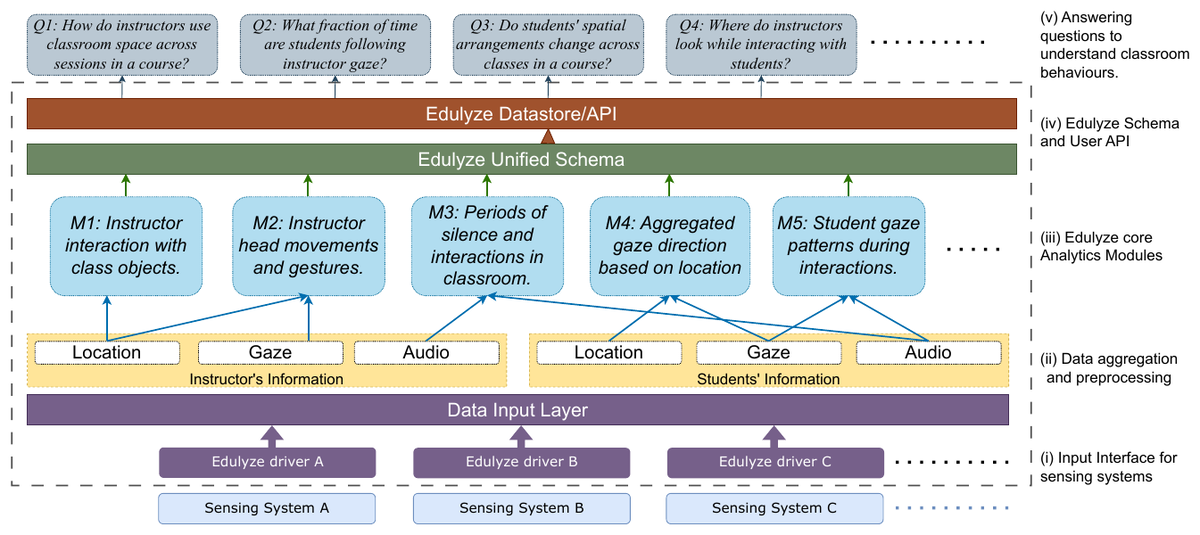
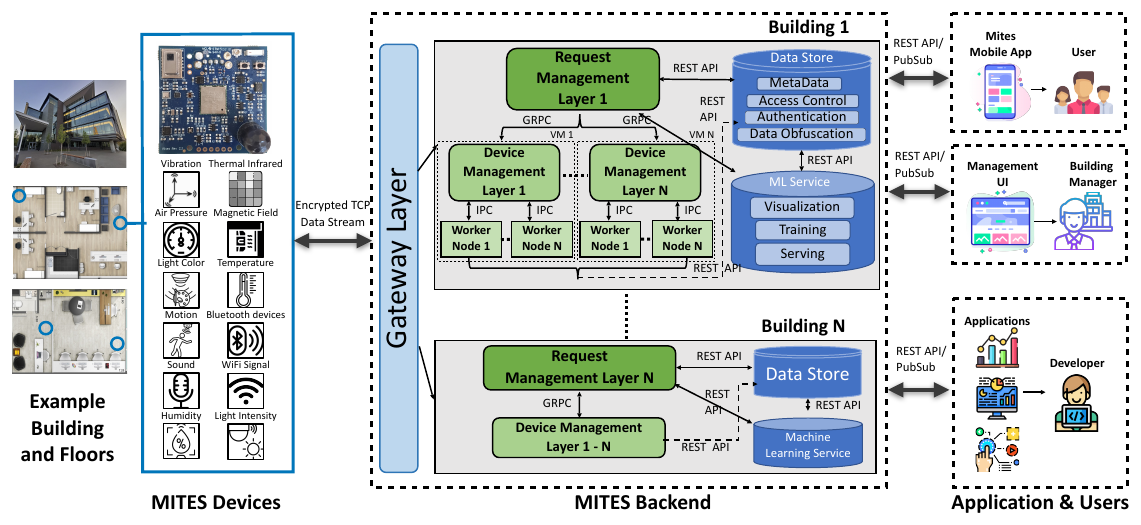
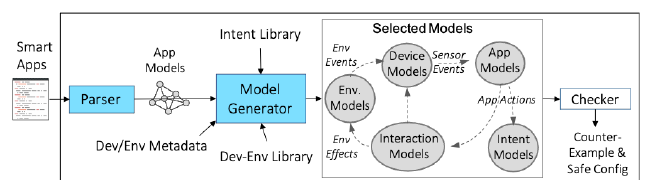
Software and sensing infrastructure that makes buildings and IoT deployments programmable, interoperable, and easy to build on.
Recent projects
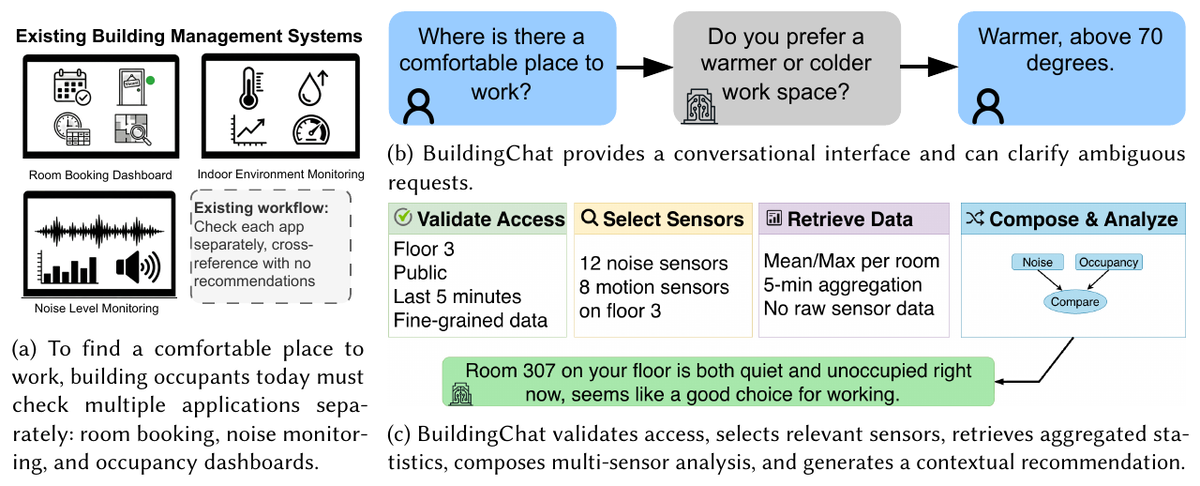
All publications →A conversational assistant that lets building occupants query 300+ sensors directly, with access control enforced by construction.
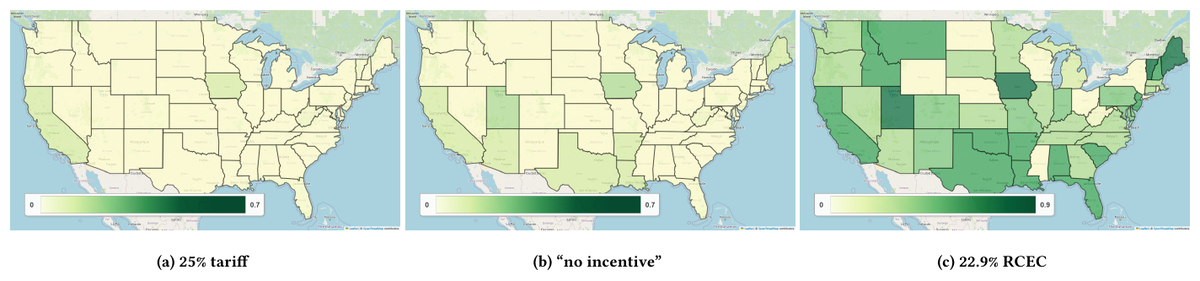
A nationwide agent-based model of rooftop-solar adoption to design cost-effective incentives as the 30% federal tax credit ends.
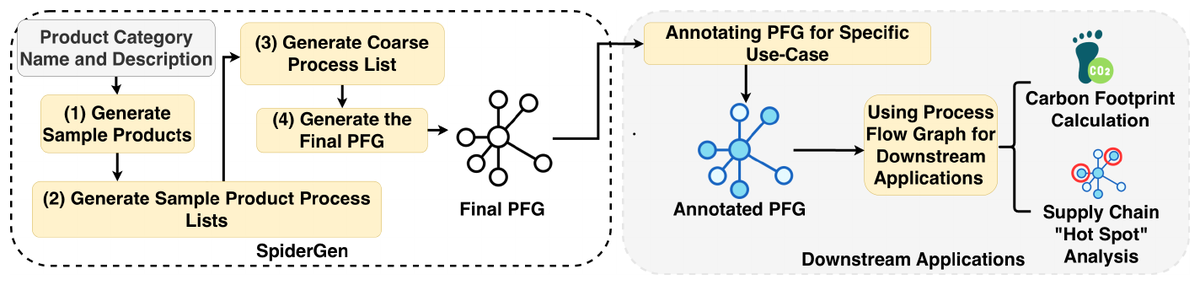
An LLM workflow that generates the process flow graphs behind carbon life cycle assessments, in minutes and for under $1.
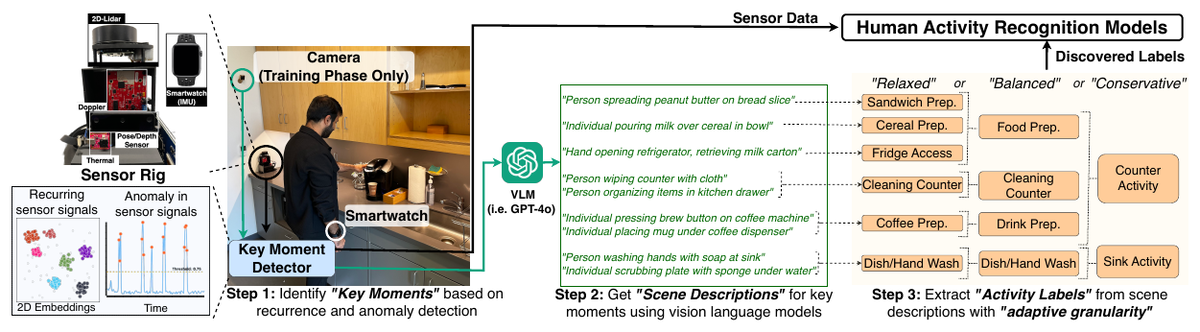
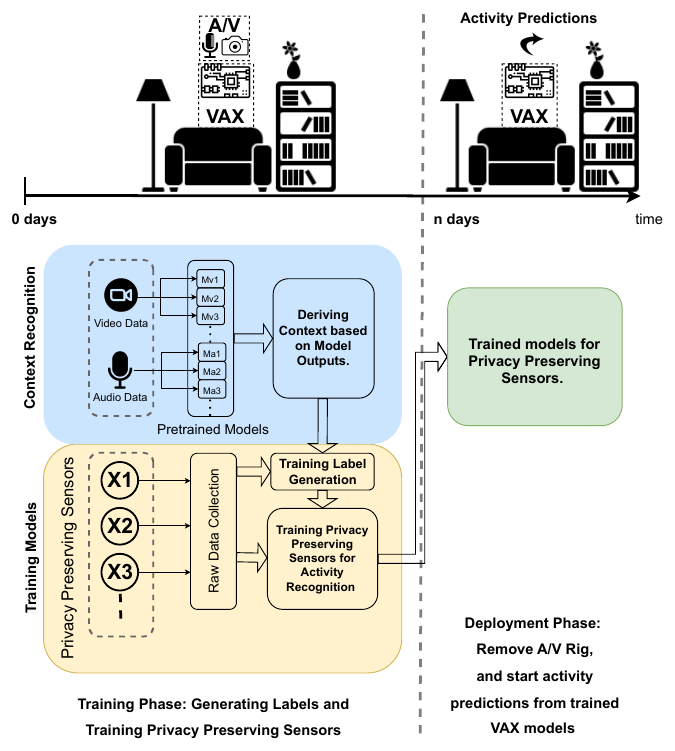
Lets privacy-preserving sensors discover the activities they can actually recognize, calling vision-language models only at key moments.
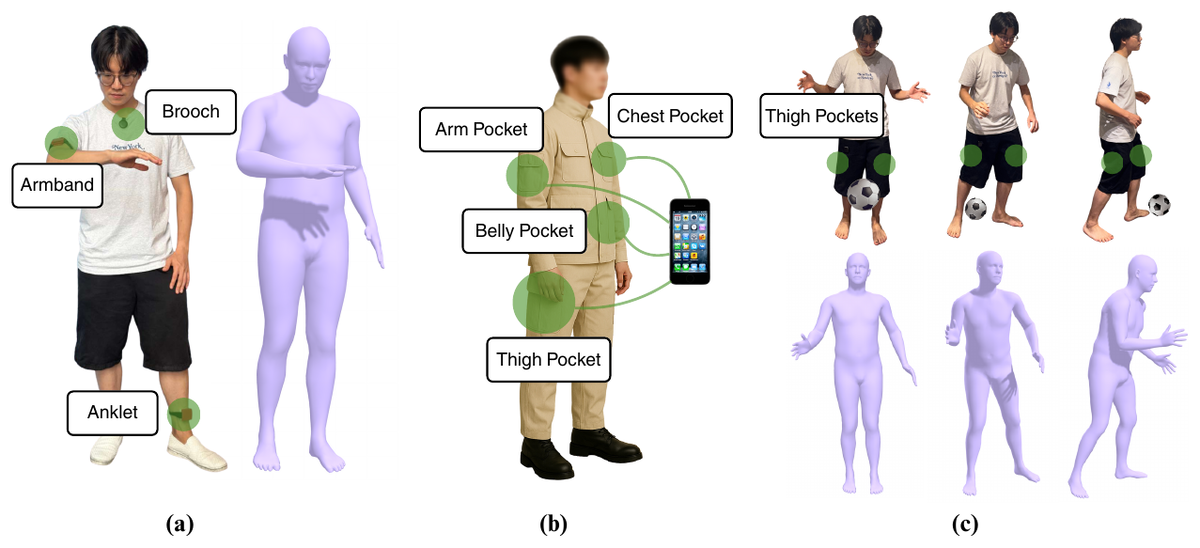
Pose estimation and activity recognition from IMUs placed anywhere on the body, such as a pocket, an armband, or a brooch.
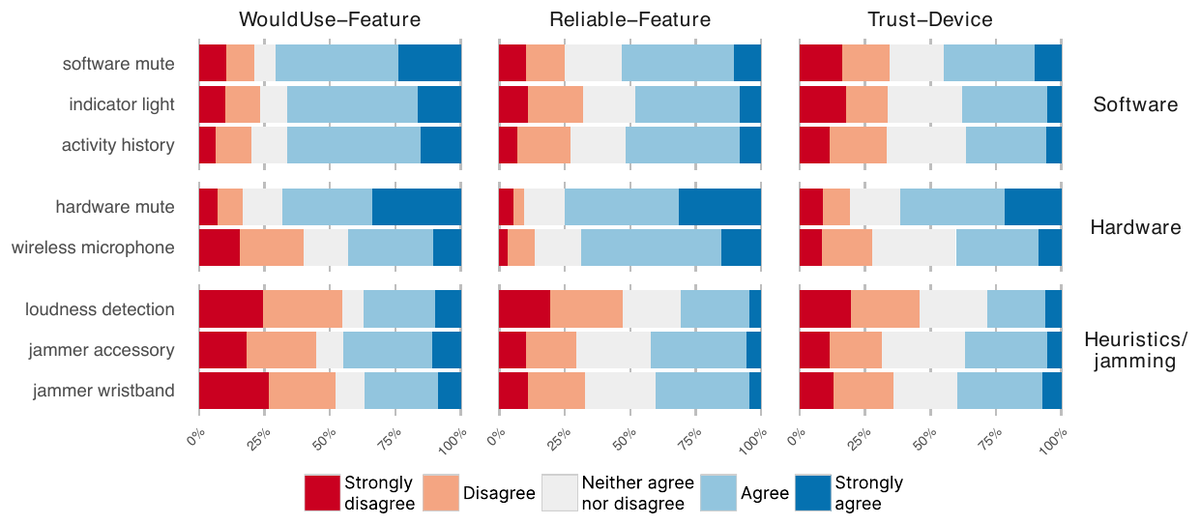
A 489-person survey of which smart-home privacy features, from mute buttons to microphone jammers, people actually trust and would use.
What's new
All news →Paper on BuildingChat, enabling natural-language interactions with general-purpose sensing infrastructure for buildings, is accepted to Ubicomp'26! Congratulations Prasoon, Anu, Ben, and Haozhe!
Paper on The Price to Site, on cost-effective incentives for solar deployment, is accepted to BuildSys'26! Congratulations Cooper and Anu!
Paper on OrganicHAR: Activity Discovery in Organic Settings is accepted to Ubicomp'26! Congratulations Prasoon!
Professor Yuvraj Agarwal's collaborative work on IoT Privacy and Security Labels with Pardis Emami-Naeini and Lorrie Cranor was awarded the Norm Hardy Prize from the Foresight Institute! [CyLab Release]
Join us
[AY 2026/2027] We are looking for 1 PhD student (starting Fall 2027) and 1-2 stellar M.S. or undergraduate students to join our lab. Our current projects span ubiquitous computing and privacy-preserving sensing, privacy and security for IoT and connected devices, computational decarbonization and sustainable energy systems, and the software and sensing infrastructure for smart buildings. The Research and the Publications tabs on the website summarize the current research directions of our lab. If you are awesome and are motivated to work on the exciting and socially relevant projects at the intersection of hardware and software systems, contact Yuvraj by email. If you are a PhD student, there are multiple programs at CMU that you can apply to and work with us. If you are already at CMU, please drop by Yuvraj's office.






Find us at TCS Hall 235, 4665 Forbes Avenue, Carnegie Mellon University, Pittsburgh, PA 15213 · Map